The Glasshouse Company Australia

  • Research
  • Architectural
  • Commercial
    • Multi Span Greenhouses
    • Ridge Vented Greenhouses
    • Hail Net Structures
    • Shade Houses
    • Internal Screens
    • Commercial Gallery
  • Poly Houses
    • 2.8m Wide Poly Houses
    • 4.2m Wide Poly Houses
    • 4.9m Wide Poly Houses
    • 6.1m Wide Poly Houses
    • Poly House Accessories
  • Accessories
    • Benches + Plant Stands
    • Fans + Heaters
    • Glasshouse Components
    • Greenhouse Parts
    • Greenhouse Coverings
    • Twin Skin Equipment
    • Greenhouse Tapes
    • Greenhouse Ventilation
    • Propagation Equipment
  • Research
  • Architectural
  • Commercial
    • Multi Span Greenhouses
    • Ridge Vented Greenhouses
    • Hail Net Structures
    • Shade Houses
    • Internal Screens
    • Commercial Gallery
  • Poly Houses
    • 2.8m Wide Poly Houses
    • 4.2m Wide Poly Houses
    • 4.9m Wide Poly Houses
    • 6.1m Wide Poly Houses
    • Poly House Accessories
  • Accessories
    • Benches + Plant Stands
    • Fans + Heaters
    • Glasshouse Components
    • Greenhouse Parts
    • Greenhouse Coverings
    • Twin Skin Equipment
    • Greenhouse Tapes
    • Greenhouse Ventilation
    • Propagation Equipment

Some Of The Many Benefits of Greenhouses.

24/8/2015

2 Comments


Some Of The Many Benefits of Greenhouses.

While most people know that a greenhouse is used to grow plants, many don`t understand the benefits that come with the use of greenhouses. Whether you practice gardening as a hobby and you need to plant for domestic consumption, or plan to have a big garden, a greenhouse will maximize production, increase productivity and encourage plant health.

With a greenhouse, you have the ability to control the environment in which your plants grow.

The greenhouse keeps temperature at a level that tropical plants need, keeps certain humidity that many vegetables and peppers need, and keeps away pests, animals and children. In a greenhouse you can also keep constant the amount of water that plants receive, so drought or floods are no longer a problem.

You can grow fickle plants inside your greenhouse. 

Since you have control over the humidity, temperatures, water, and lighting to some extent, you can grow plants that are very particular.  This can be good for those who are growing for profit as those types of plants tend to sell for higher amounts.

You can extend the growing season.

This benefit is felt especially in plants that require a longer time for them to grow. Having to worry about climate change can be difficult as it`s hard to maintain consistency when growing veggies. However, a greenhouse gives you the ability to do just that as you have total control of humidity and temperatures.

Plants benefit from light and heat in the greenhouse

The sun enters the windows resulting in energy (or heat) which is then stored inside. Greenhouses have windows or ventilation systems to prevent excess heat. Since the greenhouse is a closed chamber, the heat is kept overnight, which helps plants grow freely without having to fight the cold. Although you may want to wet your greenhouse manually, there are also other options like sprinkler irrigation, drip tape or drip tube to automatically watering plants. There are sensors that monitor the temperature and humidity and start / stop ventilation when needed. With automatic systems for cooling the greenhouse, daily maintenance will require less time.

Healthier plants

A greenhouse keeps out pests such as insects and small or medium animals that can create problems in your garden, such as cats or dogs. Your plants will be protected from these much better as there is a physical barrier to keep things safe.

Better organization

A greenhouse allows you to organize your veggies into sectors. This makes things easier to manage, keep clean and tidy as well as maintain constant optimum conditions.

Growing consciously and fearlessly

You also have the opportunity to grow organic herbs, or at least know what chemicals were used. Another benefit is that you can start growing earlier without fear of seasons or that something unexpected can happen.

Consider using a greenhouse in your garden this year so that you can take advantage of all these benefits. As a tip, to minimize costs it helps to make a list of what plants you want to grow, how much you want to grow and how much space they need to grow properly, so you can choose the correct size and greenhouse facilities. Check out our wide range of sizes and extras at www.wintergardenz.co.nz to make sure you get what you need.

2 Comments

HAIL TO KALE! All you need to know about growing this amazing superfood.

10/8/2015

1 Comment


HAIL TO KALE!
All you need to know about growing this amazing superfood
. 


Kale
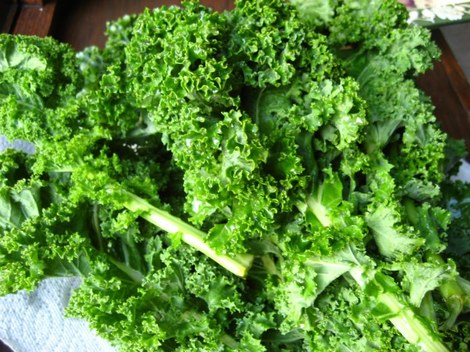
A tough member of the cabbage family, Kale is packed full of essential vitamins and minerals and it is one of the most nutritious garden vegetables. An excellent source of Vitamins A, B, C and E and minerals - calcium, iron and phosphorus. While it is generally thought of as a cold weather crop, it is fairly resilient and can tolerate temperatures as low as -7 °C and as high as 27 °C.

Kale was originally most commonly used in Mediterranean countries, especially Portugal and Italy, often in dishes with potatoes and garlic sausage. It can be used in salads to give ‘bite' or it can also be cooked. The older leaves can be quite strong, so the young leaves and central head should be used. The side-shoots that develop in spring are full of flavor.

Before you begin to grow, choose a variety that best suits your growing climate. Kale is usually grouped by leaf shape, and although growing times vary between varieties, most kale is ready for harvest between 45 and 75 days after transplanting.

  • Curly Kale is sweet and mild and is one of the most commonly found kale varieties. It is characterized by its curly, wrinkled leaves.
  • Lacinato or Dino Kale also has a wrinkled texture, though its leaves are tall and skinny.
  • Premier Kale is known for its cold hardiness and its ability to grow quickly.
  • Siberian Kale is the hardiest variety that (as the name suggests) can withstand harsh temperatures and easily resist pests.
  • Red Russian Kale has impressive red twisting leaves. It is similar in its resilience to Siberian kale.
  • Redbor Kale is a dramatic deep purple and red kale, perfect for adding color to any dish.
  • Walking Stick Kale has a thick stalk that can grow up to six feet tall. The stalk can be used as a walking stick, hence the variety name.

Once you know your Kale, follow the steps below on growing your own.

Growing space

Kale is easy to plant. Choose a pot or a garden plot. Set plants at the depth at which they are growing in the container. Space them 18 to 24 inches apart. The leaves will grow bigger if given a lot of space, but smaller leaves tend to be the most tender. Choose an area with full sunshine if you’re planting during autumn, and an area with partial shade if you're planting in the spring.

Soil

Kale will grow in any soil, but make sure that you plant your kale in healthy soil. Sandy or clay-like soil will hurt the kale's flavor and production ability. Ideally use ground that was fertilized for a previous crop. The soil pH should be 6.5 to 6.8 to be sure about your soil pH, test the soil with a do-it-yourself kit.

Planting time

If you're starting your seeds or planting indoors, plant them between five and seven weeks before the last frost. If you're going to start your kale outside, plant the seeds two to four weeks before the last frost or at least 10 weeks before the first frost.

Harvesting

Kale leaves are sweetest in autumn, after they’ve been touched by a light frost. Pick the oldest leaves from the lowest section of the plants, discarding those that appear yellowed or ragged. Leaves can be picked off for use in salads or allow the loose head to form.


For ideal kale growing conditions, check out our greenhouse shelving kits on our website that allows them the space they demand to grow. www.wintergardenz.co.nz.


1 Comment

    The Glasshouse Company Australia

    Manufacturers and Suppliers of Horticultural Structures and Equipment

    Archives

    November 2015
    October 2015
    September 2015
    August 2015
    June 2015
    March 2015

    Categories

    All
    Article
    Great Ideas
    Helpful Tips

    RSS Feed

Australian Manufacturers and Suppliers of Horticultural Structures and Equipment
Commercial and Domestic Quality Greenhouses and Accessories
Picture
The Glasshouse Company are manufacturers of horticultural structures and equipment.

From The Glasshouse Company’s inception in 1986 we have been one of the largest and most innovative producers of research complexes for Government departments.

Design and Build Commercial Services

Research Facilities
Architectural Structures
Roof Canopies
Multi Span Structures
Ridge Vented Tunnels
Hail Net Structures
Shade Houses
Internal Screens
Photo Gallery

Poly Houses and
Tunnel Accessories

2.8m Wide Poly Houses
4.2m Wide Poly Houses
4.9m Wide Poly Houses
6.1m Wide Poly Houses
Poly House Accessories

Domestic Greenhouses

Greenhouses (Poly)
Glasshouses (Glass)
Elite (Deluxe)
Hot House (Film)
Shade House (Mesh)
Shelving + Staging
​Foundations
​Accessories
Top Sellers

Information and Customer Services

About Us
Contact Us
Retailers
Photo Gallery
Movies + Videos
Winter Gardenz Assembly Information
Foundation
Gift Vouchers
Testimonials
Terms and Conditions
The Glasshouse Company Pty Ltd
244 Eramosa Road West, Moorooduc, VIC, 3933 Phone: (03) 5978 8774 ABN: 53 004 506 816
© 2018 The Glasshouse Company Pty Ltd - All rights reserved.